We seal older pier-and-beam crawl spaces with a heavy membrane, depressurize beneath it, and vent radon above the roofline.
Inglewood belongs to Davidson County, which the EPA classifies as Radon Zone 1 — the highest-risk tier in the country. Beneath the mature hackberries and oaks, the neighborhood sits on the same uranium-bearing limestone that underlies the rest of Middle Tennessee, and the bend of the Cumberland along Riverside Drive doesn't dilute it. Radon forms continuously in that rock, rises through the soil, and accumulates wherever a house gives it a path inside — and Inglewood's housing stock gives it plenty.
The cottages and early ranches that fill the blocks between Gallatin Pike and the river were built decades before vapor barriers were standard practice. Most sit on pier-and-beam foundations over bare dirt, with original foundation vents, gaps at the sill, and decades of plumbing and wiring penetrations through the floor. There is often literally nothing — not even builder plastic — separating the soil from the hardwoods above. Soil gas rises off the dirt floor and gets drawn up into the house by the stack effect, especially in winter.
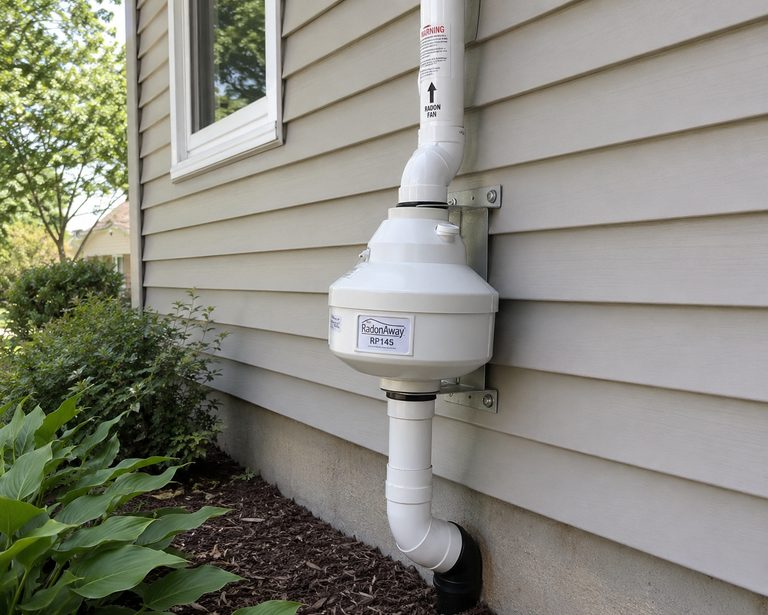
We install a heavy-duty sealed vapor barrier across the entire crawl space floor, fitted around each pier and sealed to the perimeter foundation walls. Beneath that membrane goes a suction pit connected to PVC piping and a quiet inline radon fan that runs continuously. The fan keeps the zone under the barrier at negative pressure, so radon is captured before it ever reaches your floor joists and is exhausted above the roofline, where it disperses into open air.
Your system includes a sealed 20-mil reinforced vapor barrier serving as the radon membrane — detailed around piers, ductwork, and plumbing — plus a properly placed suction pit, a low-watt inline fan rated for continuous duty, exterior PVC routed above the roofline per EPA guidance, a monitor that confirms the system is holding suction, and post-install radon testing to verify your level has dropped below 4 pCi/L.
Older Inglewood crawl spaces usually need moisture control as much as radon control — damp dirt floors, musty smells, and cupping hardwoods are common complaints in 37216. A full encapsulation solves both at once, because the sealed moisture barrier is the radon membrane. If your crawl space was encapsulated during a renovation, we can retrofit the suction point and fan to the barrier you already have.
Pricing reflects the footprint of the crawl space, how much pier and penetration detailing the membrane requires, whether encapsulation is already in place, and the exterior vent route — often a simple run on these single-story homes. We give you a free written estimate after evaluating your Inglewood crawl space in person.
We crawl your Inglewood pier-and-beam space, review any radon tests, and plan the membrane and suction layout.
Itemized scope and price, including the pier detailing and any sealing work your older crawl space needs.
Membrane, suction pit, PVC routing, fan, and exterior termination — installed cleanly and code-aware.
We confirm radon has dropped below the EPA action level and leave you with a working system monitor.
Inglewood sits in Davidson County, an EPA Radon Zone 1 county, so every home shares the same high-risk geology. What older homes do have is more entry pathways: most of Inglewood's 1930s-50s cottages and ranches sit on open pier-and-beam crawl spaces with bare dirt floors and no barrier at all between the soil and the house.
Yes — pier-and-beam construction is actually well suited to sub-membrane depressurization. We fit the sealed membrane around each pier, lock it to the perimeter foundation, and the open layout usually lets a single suction point depressurize the whole footprint.
It never enters the house. A suction pit under the sealed membrane connects to PVC piping and a quiet inline fan that runs continuously, capturing soil gas beneath the barrier and exhausting it above the roofline where it disperses harmlessly.
Minimally. The PVC vent stack typically runs up a side or rear exterior wall, and the fan is a compact canister unit. We route the exterior run with the home's appearance in mind.
Usually, yes. The same sealed membrane that blocks radon also blocks ground moisture, which is the main driver of musty odors and damp floors in Inglewood's older crawl spaces.
Test before installation to establish a baseline, then again after the fan has run continuously for at least 24 hours. The follow-up test confirms the system is holding your level below 4 pCi/L.
Schedule a free crawl space evaluation. We'll walk the space, review any test results you have, and give you a clear plan.
Get My Free InspectionTell us a little about your home and we'll be in touch soon to schedule a no-pressure visit.
